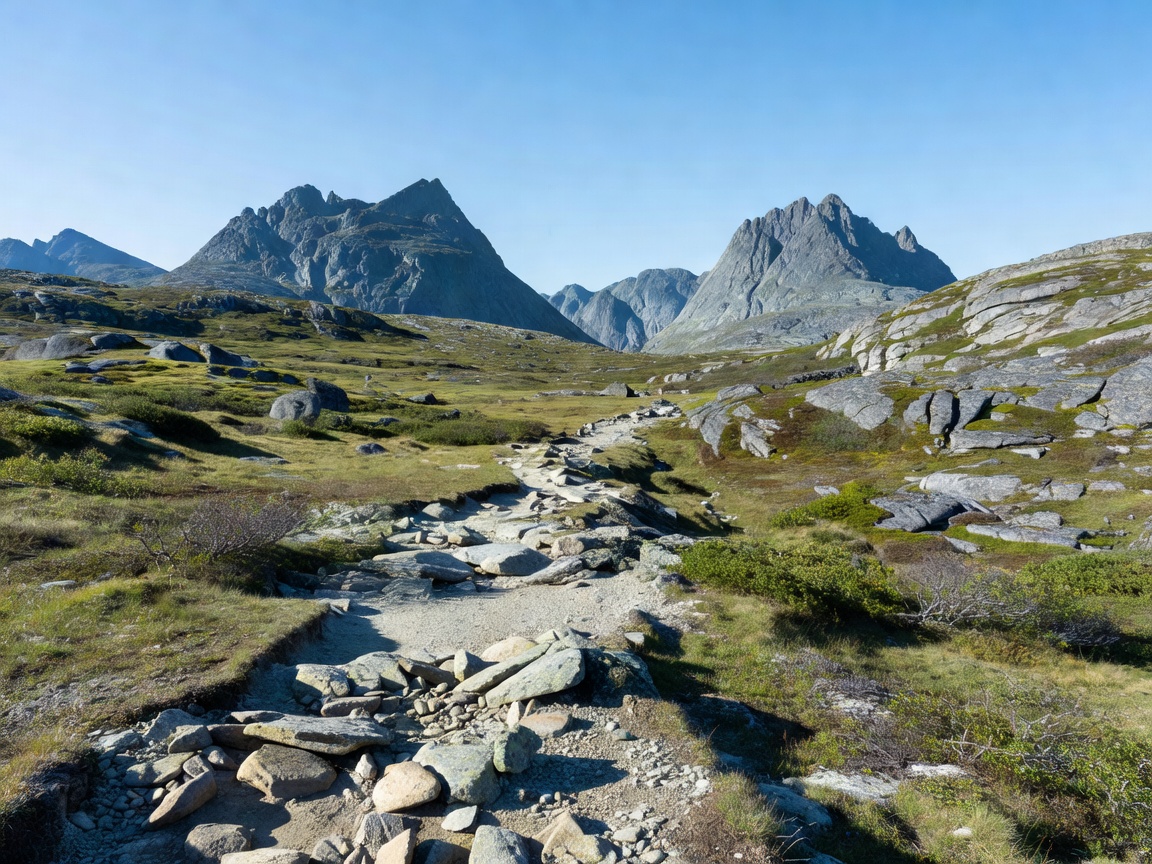
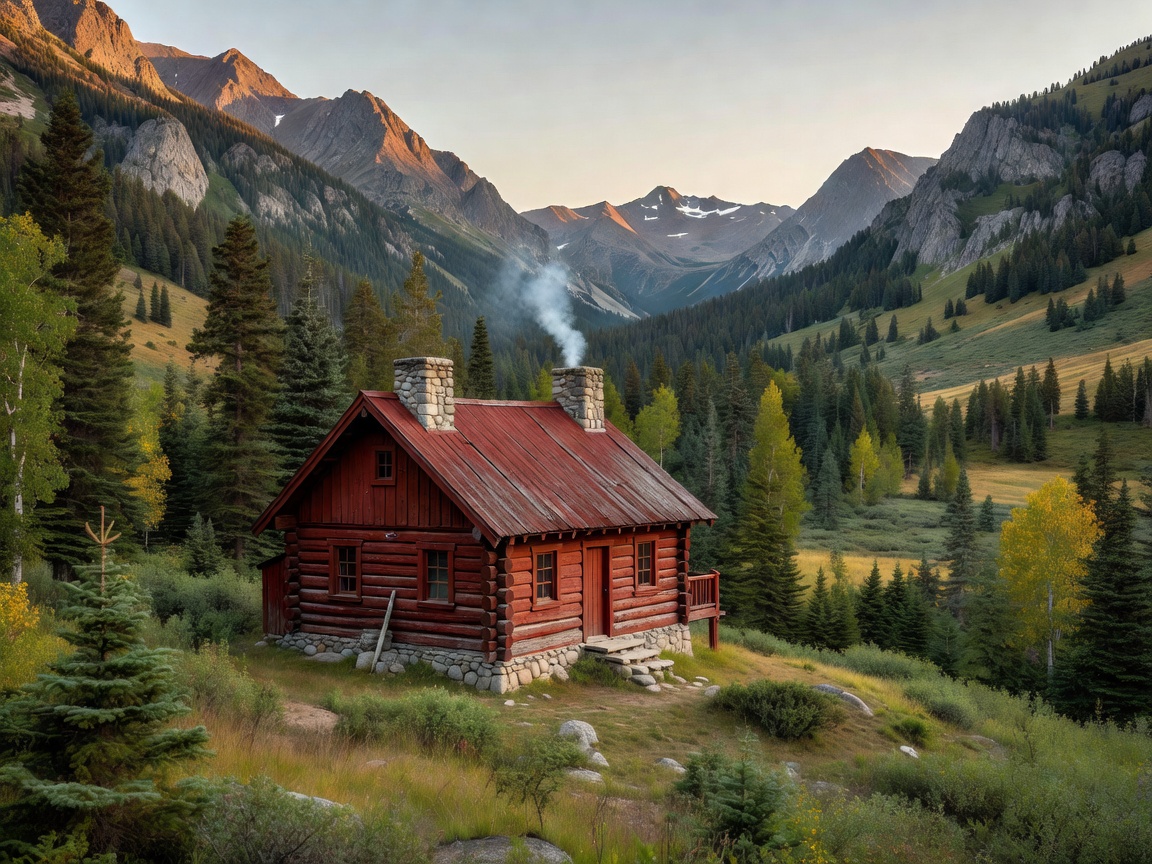
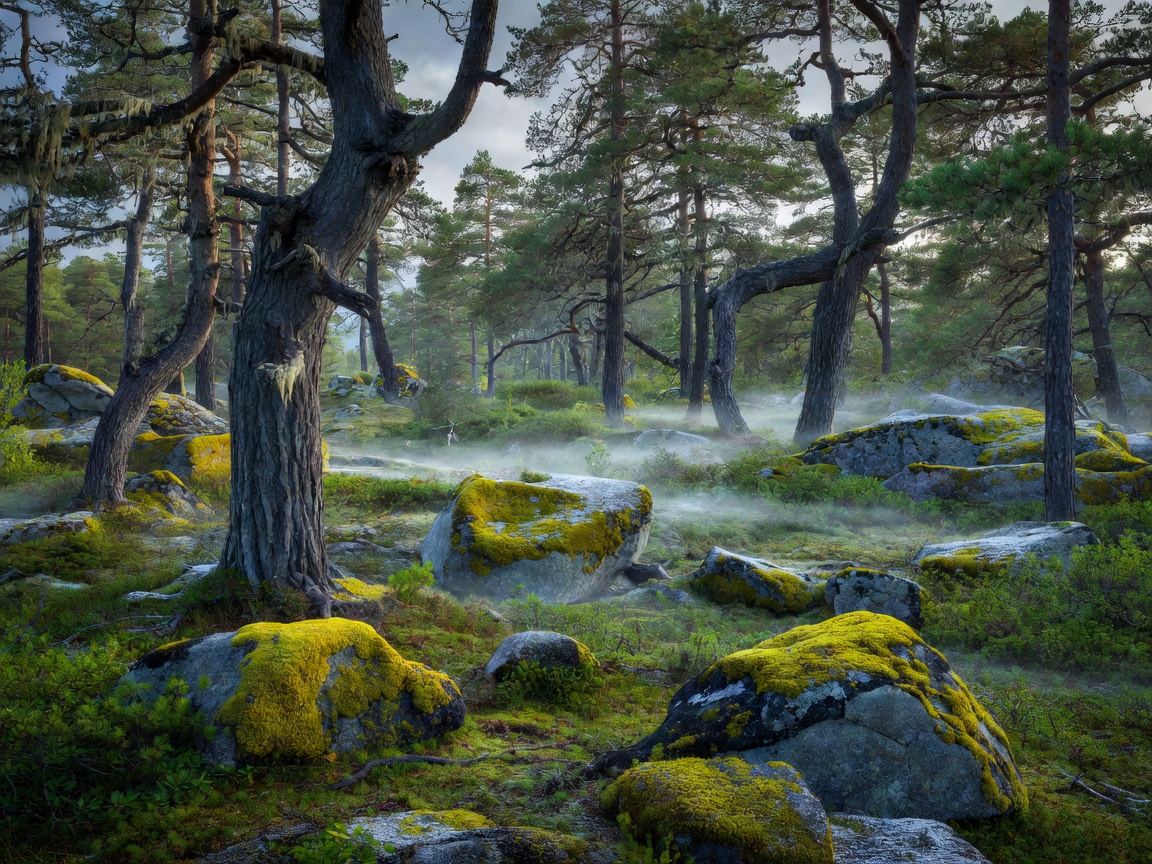
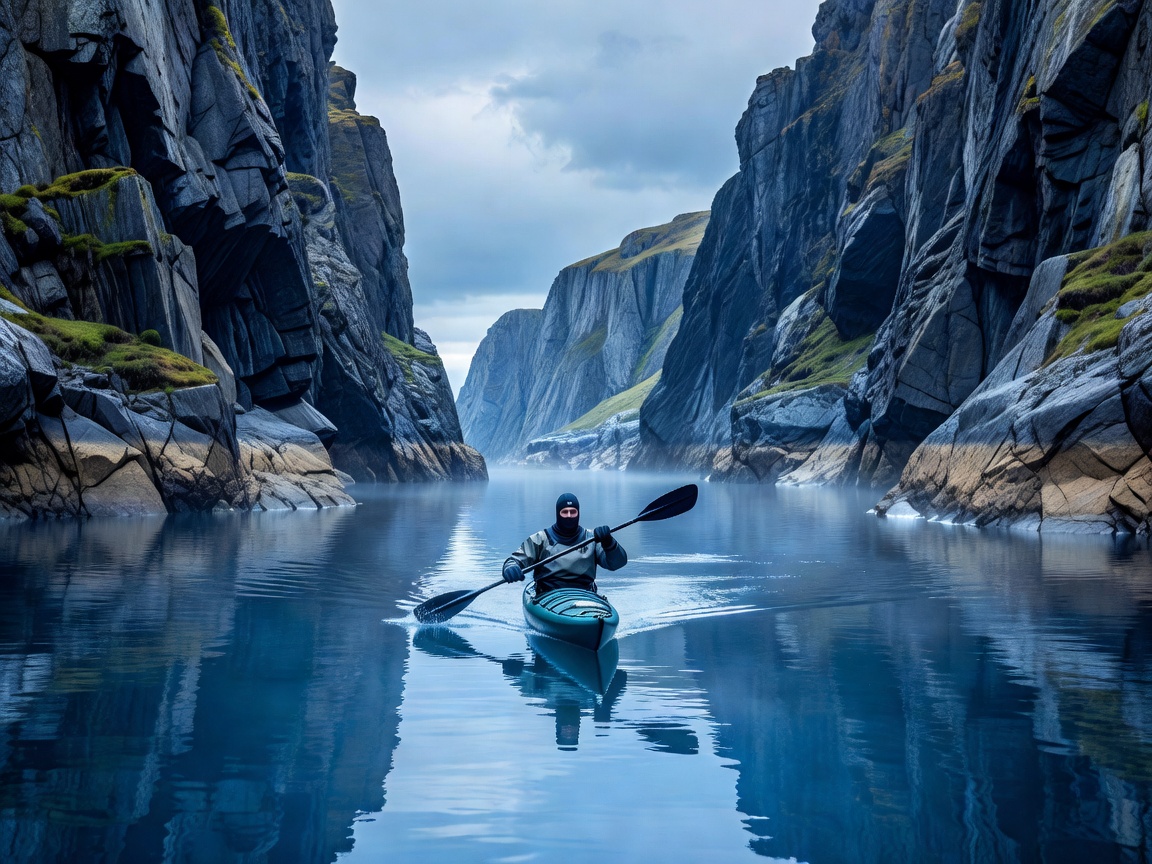
If your hiking experience is rooted in temperate European woodland trails or manicured national parks elsewhere, the Nordic north can feel astonishingly quiet, vast, and slightly intimidating. There are fewer signs, vast distances between resupply points, and zero mobile reception once you leave major valleys.
The defining reality of northern trekking is exposure. When you cross the timberline at 600 or 800 metres above sea level in Scandinavia, you enter a sub-arctic tundra biome. The wind blows unhindered across hundreds of square kilometres of open fell. A sudden drop in air pressure can transform a mild 16°C afternoon into a wind-driven sleet storm within thirty minutes, even in mid-July.
Yet along with this ruggedness comes unparalleled freedom. Under the tradition known in Sweden and Norway as Allemansrätten (the Everyman’s Right), non-motorized travellers may roam freely across uncultivated landscapes, camp for a night at a respectful distance from dwellings, and drink crystal-clear water straight from rushing glacial streams.
Respecting this balance requires honesty about your fitness, your kit, and your navigation skills. By understanding how to read local topographic charts, pacing yourself over wet boardwalks, and treating the mountain huts with community respect, you enter one of the most rewarding wilderness traditions in the world.
1. The Daylight Paradox
High summer delivers 24 hours of usable light, eliminating the danger of getting stuck after dusk. But it can trick weary hikers into walking past physical exhaustion or neglecting proper sleep rhythms.
2. River Crossings (Vad)
Not every stream has a footbridge. Unbridged glacial torrents fluctuate by the hour depending on afternoon melt rates and rainfall. Unbuckling your rucksack waist strap before fording is a life rule.