Why Nordic Parks Are Different
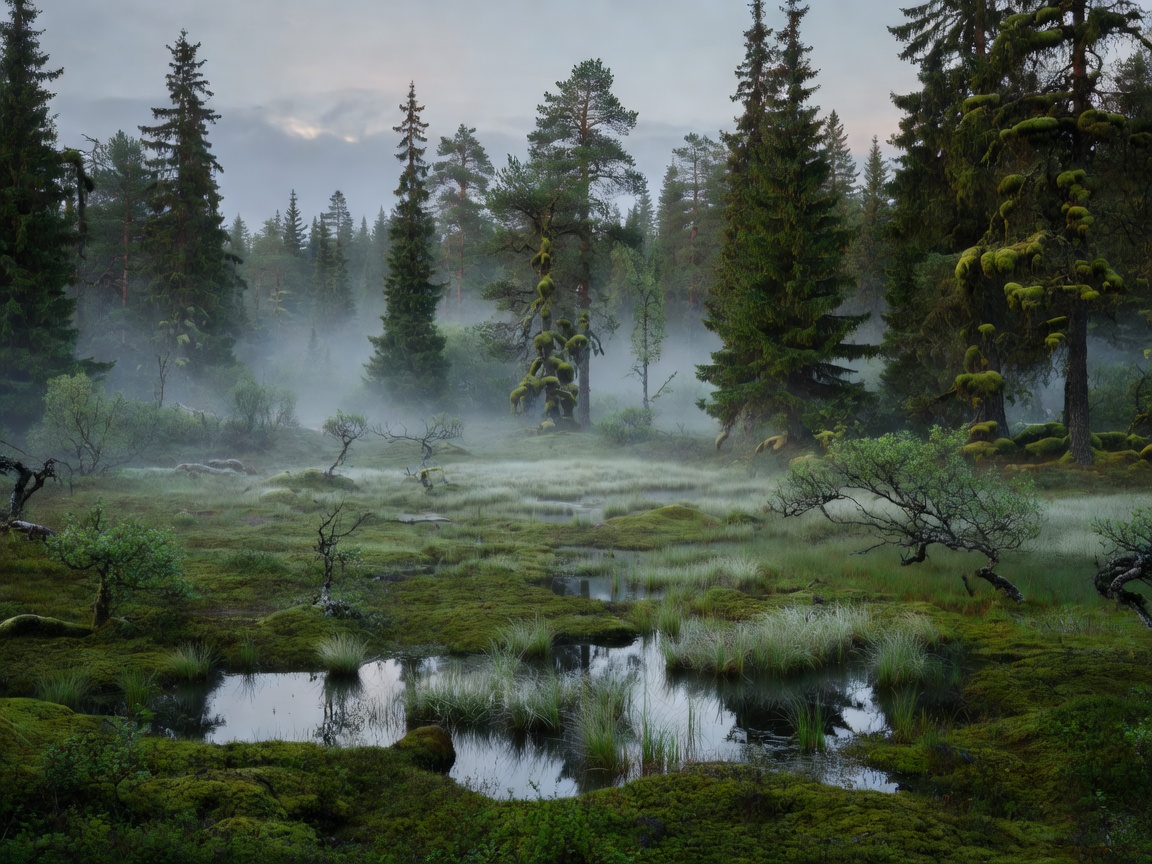
Unlike many national park systems that fence off boundaries and charge vehicular gate fees, Nordic national parks are open, interconnected ecological reserves. They exist not merely as recreational playgrounds, but to protect rare taiga old-growth, preserve subarctic peat bogs, and maintain unbroken migration paths for wild reindeer and grazing corridors for Sámi semi-domesticated herds.
The fundamental premise of these parks is public access coupled with deep personal responsibility. The right to roam (Allemansrätten / Jokamiehenoikeus) generally applies within national parks, but it is often subject to specific zoning ordinances designed to safeguard vulnerable nesting birds or sensitive botanical communities.
Tread Softly: The Vulnerability of Alpine Lichen
In cold northern climates, vegetation grows exceptionally slowly. A clump of reindeer lichen (Cladonia rangiferina) crushed by a careless boots-off detour can take twenty-five years to regenerate. Staying on designated bog boards and rock slabs is an act of real conservation.
Landscape Variety Across the North
When selecting which national park fits your hiking style, consider the distinct geographical landscapes:
Boreal Taiga & Primeval Forest
Characterized by ancient Scots pines, hanging beard lichen, quiet lakes, and winding river channels. Parks in eastern Finland and central Sweden offer superb wind protection, abundance of clean surface water, and rustic timber lean-to shelters (laavu).
Glacial Cirques & Fjord Margins
Dominant in western Norway. Dramatic drops, roaring waterfalls, hanging glaciers, and knife-edge granite ridges. Demands surefooted scrambling, stamina for steep ascents, and high-spec rain shells.
Vast Arctic Fjell (Lapland)
Endless rolling treeless horizons stretching into the Arctic Circle. The wind is relentless, daylight is endless in midsummer, and river crossings require careful navigation. Unmatched solitude and scale.
Zoning Regulations and Special Restrictions
While roaming rights are generous, hikers must check the specific management plans of each park before pitching a tent or lighting a campfire:
- Core Wilderness Zones: In many expansive parks, internal zones require visitors to camp only at marked camping pitches or restrict fires strictly to official dry-wood hearths to prevent wildfire in peat layers.
- Strict Nature Reserves (Naturreservat / Luonnonpuisto): These areas are established primarily for scientific observation and biodiversity preservation. Access is often restricted to marked paths only, and camping is frequently prohibited entirely.
- Bird Sanctuaries: Coastal marshlands and high fell crags often enforce seasonal exclusion zones between May and July to protect breeding raptors and waders.
Wildlife Awareness and Respectful Distance
Nordic parks are home to brown bears, lynx, wolverines, elk (moose), muskoxen, and vast herds of reindeer. Encounters with large predators are exceedingly rare due to their keen sense of smell and wariness around humans.
Elk and reindeer, however, are encountered regularly. If you see reindeer grazing across a fell ridge, never approach them for photographs or attempt to walk through the herd. Reindeer are managed by indigenous Sámi herders; disturbing pregnant females in spring or separating calves from their mothers causes extreme physiological stress. Give herds a wide perimeter of at least 150 metres and let them move away at their own pace.
Comparing Parks for Different Hiking Aspirations
Before committing your holiday leave, compare parks based on:
- Infrastructure level: Do you desire marked waypoints and staffed stations every fifteen kilometres, or do you want unmarked terrain where compass skills are your only guide?
- Public transit access: Some parks have railway stations right at the trailhead boundary, while others require regional postal buses that operate only once daily or twice weekly.
- Escape options: In rugged alpine parks, valleys can be dead ends blocked by impassable torrents or sheer walls. Plan routes with lateral exit valleys in mind.