The Foundations of Northern Route Planning
When walkers encounter trouble in the Arctic or high Scandinavian fells, it is rarely due to a sudden mechanical gear breakdown. In almost every situation, it stems from planning flaws: miscalculating walking speed across boulder fields, ignoring local public transit timetables, or assuming mobile phones will have a signal in deep glacial valleys.
A solid Nordic plan incorporates built-in buffers. For every four days of planned walking, experienced northern hikers schedule one full buffer day. If a severe gale forces you to stay inside a cabin or pitch your tent in the shelter of a dwarf-birch hollow for twenty-four hours, a buffer day guarantees you will still catch your flight or connecting sleeper train home.
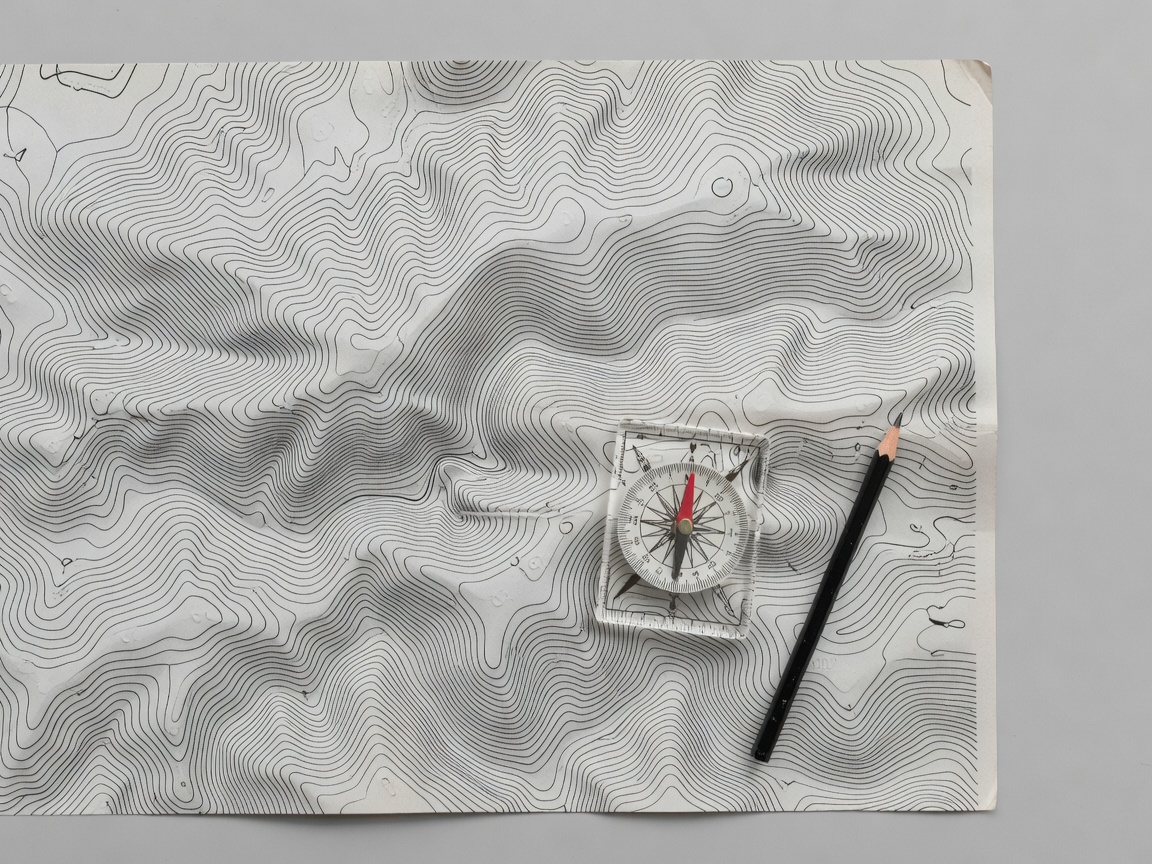
Analog Navigation in Whiteout Conditions
Lithium phone batteries deplete rapidly when operating in cold, damp air near 4°C. Always keep a waterproof map case containing a 1:50,000 scale paper topographic sheet and an oil-filled baseplate compass in an accessible pocket of your jacket.
Step-by-Step Route Planning Sequence
1. Choose a Route Matching Physical Baseline
Do not choose your first Nordic trail based on panoramic mountaintop photos. Assess your group's realistic capability when carrying a 15-kilogram rucksack for consecutive days. On well-graded valley paths, a pace of 3.5 to 4 kilometres per hour is reasonable. On high fell block fields or through unmaintained bog sections, your pace will drop to 1.5 to 2 kilometres per hour.
2. Understand Daylight and Seasonal Windows
Northern daylight varies drastically through the year. In June and July, the midnight sun provides continuous light throughout the 24-hour cycle. While this eliminates the fear of being stranded in the dark, it often leads beginners to hike 14 hours continuously, causing extreme exhaustion. In September, days shorten rapidly, and nights bring freezing temperatures that demand headtorches and extra insulated sleeping mats.
3. Deciphering Mountain Weather Forecasts
Nordic mountain weather changes rapidly. Check national meteorological forecasts (such as yr.no in Norway or smhi.se in Sweden) before leaving your last internet connection point. Look closely at wind chill indices rather than mere air temperature: an 8°C afternoon coupled with 45 km/h winds creates an effective temperature near 0°C, accelerating the onset of hypothermia if your clothing is damp.
4. Food, Caloric Burn, and Water Sourcing
Hiking in cool northern climates with a heavy load burns significantly more energy than lowland walking. Plan for 3,000 to 3,800 calories per person per day. Emphasize lightweight, calorie-dense foods: porridge oats enriched with powdered milk and butter, nuts, dried meats, freeze-dried ration packs, and chocolate.
Water is abundant throughout most northern mountain regions. You will cross clear streams almost every hour. Water flowing rapidly over stone or peat from mountain slopes above human settlements is generally clean and potable. However, always avoid water downstream from active reindeer corrals or stagnant marsh pools; carry a reliable hollow-fibre filter or purification tablets.
Common Beginner Mistakes to Avoid
Overpacking "Just in Case" Items
Heavy frying pans, excessive changes of casual clothing, and heavy books turn a scenic fell hike into grueling labor. Stick to a strict 3-layer clothing system and multi-use gear.
Cotton Next to Skin
Never wear cotton denim or cotton t-shirts. Cotton retains sweat, loses all insulating properties when damp, and takes days to dry in cool air. Wear pure Merino wool or synthetic polyester.
Failing to River Ford Correctly
Crossing glacial torrents wearing hiking boots causes soggy boots for days; crossing barefoot can cause broken toes on sharp submerged stones. Carry light neoprene river shoes or sandals and unclip your rucksack chest and waist buckles before entering the current.
The Expedition Preparation Checklist
Before walking out of range of road transport, confirm each checkpoint:
- Transport logistics confirmed: Return bus and train tickets secured, with awareness of whether regional buses require advance telephone booking on weekends.
- Emergency protocol: Detailed route plan and planned return date left with a family member or trusted contact.
- Repair kit: Tent pole splint, high-adhesion duct tape, spare boot laces, sewing needle, and extra stove O-rings.
- First-aid pack: Extensive blister treatment (hydrocolloid plasters), elastic compression bandage, antiseptic wipes, painkillers, and emergency thermal bivy foil.