Matching Activity to Season and Skill
In the Nordic countries, outdoor recreation is not a high-speed sport; it is an integrated cultural pursuit often called friluftsliv—literally translated as "free air life." It prioritizes immersion, quiet observation, and self-reliance.
Different activities place vastly different demands on your gear and physical preparation. While summer trail running requires nimble footwork and ultralight wind protection, multi-day kayak touring on cold coastal waters demands drysuits, immersion knowledge, and wind reading skills.
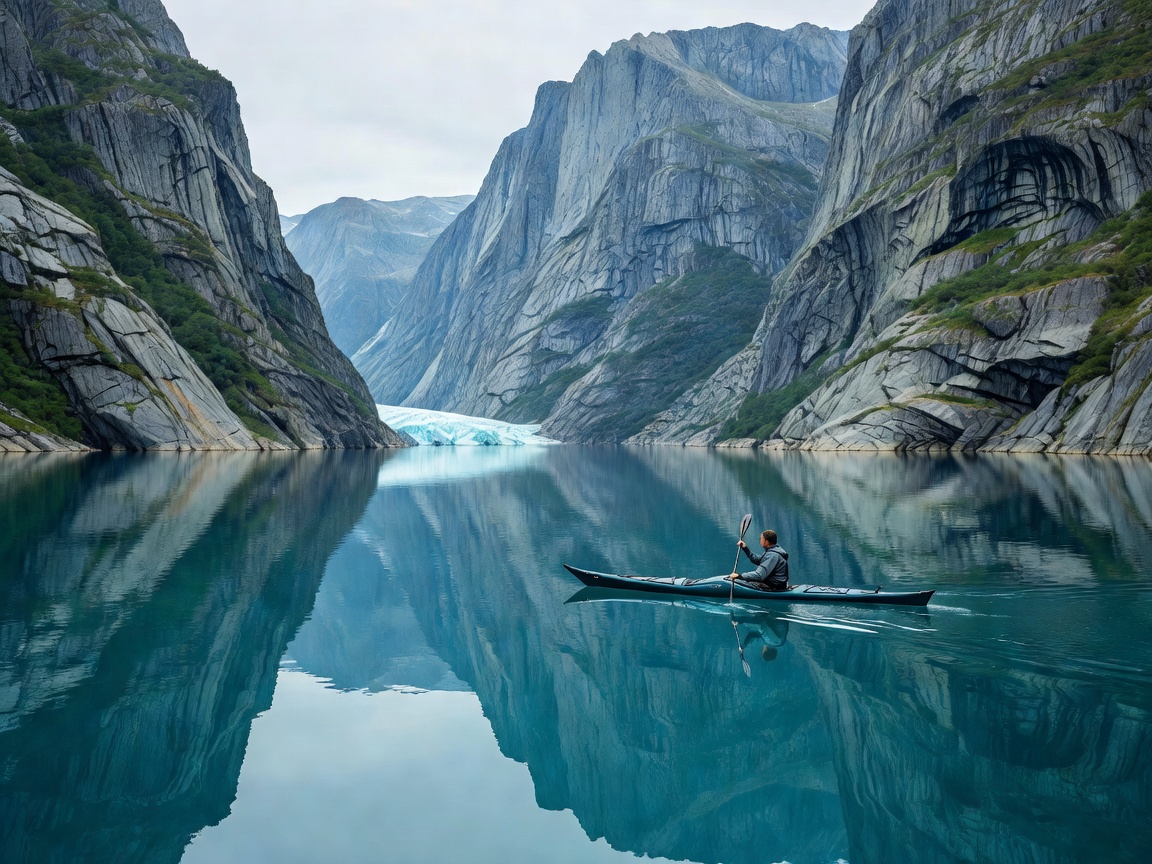
Sea Kayaking and Packrafting
Water temperatures in northern lakes and fjords rarely exceed 10°C to 12°C even in August. Immersion is life-threatening within minutes without a drysuit or wetsuit. Packrafts have revolutionized fell hiking by allowing walkers to cross vast lake systems rather than detouring dozens of kilometres around them.
Core Activities Analyzed
1. Wilderness Trekking & Backpacking
The quintessential Nordic journey. Carrying your home on your back through self-contained traverses offers unmatched peace. The trade-off is pack weight: a balanced alpine pack weighs between 14kg and 19kg. Managing shoulder fatigue, blister prevention on constantly damp socks, and maintaining a high caloric intake (3,200+ kcal daily) are core concerns.
2. Nordic Trail Running
Growing rapidly on marked long-distance footpaths. Trail runners trade the security of a tent and stove for light agility, covering 30 to 50 kilometres in a single day. However, running in the subarctic requires severe discipline. If an ankle twists on a slick bog board in chilly drizzle, a lightly clad runner cools down to hypothermic body temperatures with alarming speed. A waterproof shell, thermal emergency bivy sack, and calorie gels must remain in the running vest at all times.
3. Cross-Country & Fjell Skiing (Tur-skiing)
From January to April, the fells transform into an immense white canvas. Fjell skiing uses wider touring skis with metal edges and synthetic climbing skins rather than narrow racing cross-country skis. Moving across frozen lakes and over snow-covered birch forests allows you to access remote cabins that are nearly unreachable during muddy summer bog conditions.
4. Snowshoeing
For those without backcountry ski experience, modern snowshoes open up snow-covered spruce forests and national park borders. Snowshoeing requires minimal technical training compared to skiing, but it demands serious cardiovascular exertion in deep powder. Sinking twenty centimetres into unconsolidated snow with each stride limits daily distances to 8 to 12 kilometres.
5. Nature Photography & Low-Light Observation
The northern latitudes provide extraordinary light: the midnight sun creates golden hours that last for four uninterrupted hours around midnight in June and July, while autumn nights bring the ethereal green ribbons of the Aurora Borealis (Northern Lights). Cold temperatures drastically shorten camera and drone lithium battery lifespan; keeping spare battery cells inside a woolen inner chest pocket next to body warmth is an indispensable field trick.
Activity Selection Matrix
Summer (Jun – Aug)
Best for: Backpacking, Packrafting, Trail Running, Open Fjord Kayaking. Mosquito protection essential in valleys; warm layer required on ridges.
Autumn (Sep – Oct)
Best for: Wilderness Photography, Moderate Trekking, Hut-to-Hut routes. Stunning autumn color palette (ruska), zero insects, cold night frosts.
Winter & Spring (Dec – Apr)
Best for: Fjell Ski Touring, Snowshoeing, Aurora Chasing. Requires specialized insulation, shovel, avalanche probe, and snow shelter skills.