The Philosophy of Nordic Mountain Huts
Few outdoor systems in the world compare to the shelter networks maintained across Scandinavia and Finland by national trekking associations and state forestry enterprises. Rather than commercial lodging, these cabins are built on a tradition of collective stewardship and mutual trust.
When you arrive at a mountain hut cold and rain-soaked, no one asks for a credit card at the front steps. The shelter doors are unlocked (or accessed via a standard association master key), firewood sits neatly stacked beside cast-iron stoves, and gas burners wait for your kettle. In return, the unwritten contract expects you to replenish what you consume and leave the space cleaner than you found it.
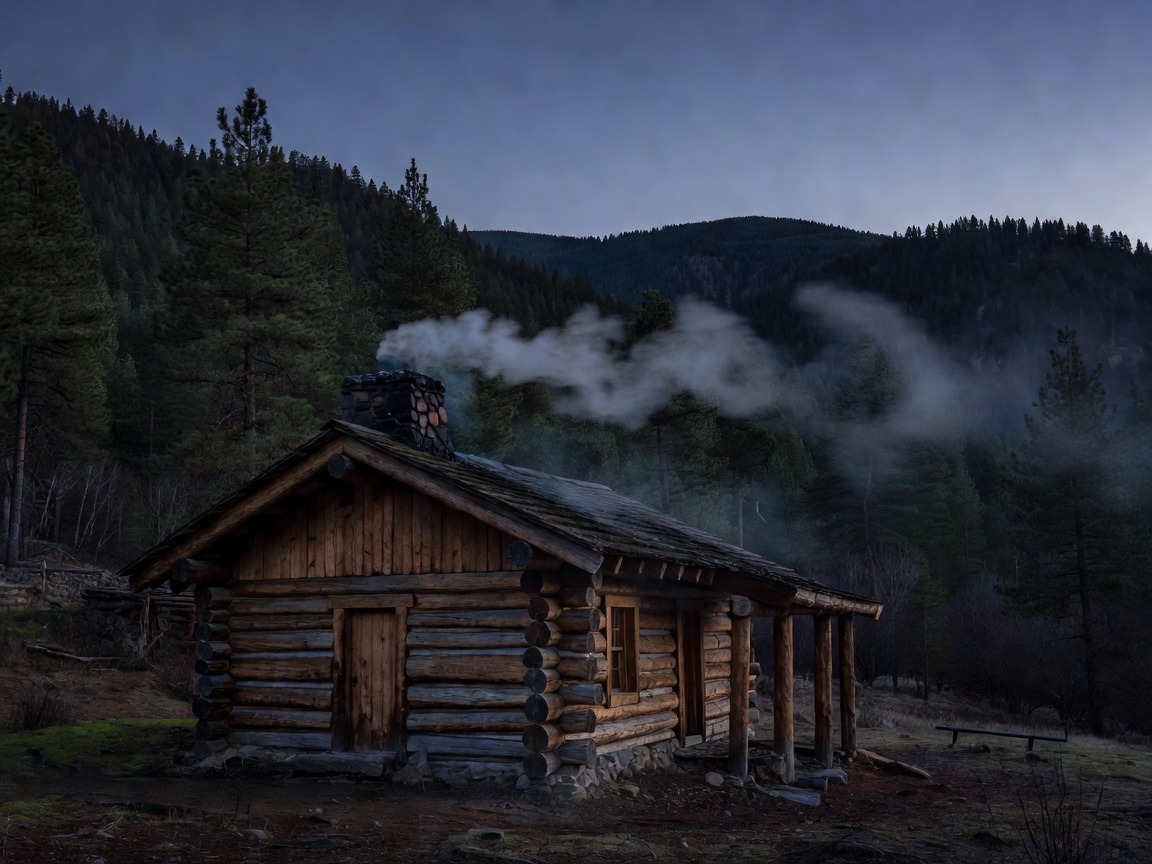
Inside the Self-Service Hut System
Self-service cabins represent the backbone of multi-day routes. They feature communal bunk rooms, dry pantry provisions, bottled gas burners, and wood-burning stoves for heat. Payment is recorded via trust payment slips or mobile slips completed upon departure.
Cabin Classifications Explained
Before setting your itinerary, distinguish between the four main types of mountain shelters:
- Staffed Mountain Stations (Fjällstation / Betjent Hytte): Large hubs positioned at key trailheads. They feature full dining rooms, drying facilities, electricity, hot showers, and trail supply shops. Ideal for beginners or as resting points between long backcountry stages.
- Self-Service Cabins (Selvbetjent Hytte): Unstaffed year-round or staffed only by volunteer hut wardens during peak summer weeks. Fully equipped with kitchen facilities, cooking utensils, mattresses, and blankets. They often stock non-perishable canned and dried food that hikers purchase on an honor system.
- No-Service Cabins (Ubetjent Hytte): Unstaffed shelters providing beds, wood stoves, and cooking equipment, but zero food provisions. Hikers must carry their complete food supplies.
- Open Wilderness Huts (Autiotupa): Common across Finnish Lapland. Completely open, free of charge to any hiker walking or skiing by foot. Intended strictly for one-night emergency or transient stays before moving along the trail.
Sleeping Arrangements and Hygiene
Sleeping arrangements in unstaffed cabins are communal. Bunk beds feature pillows and wool or synthetic blankets, but for hygiene reasons, you are universally required to use a silk or cotton sleeping bag liner (known as a reselakan or lakenpose) or your own clean sleeping bag over the mattress.
Running tap water is extremely rare above the tree line. Water is collected from clean, designated stream access points using clean galvanized buckets labeled specifically for drinking water. A separate bucket system is used for grey washing water, which must be hauled away and emptied into designated soak-away pits rather than tipped back into streams.
Cabin Etiquette: The Golden Rules
Firewood Stewardship
Whenever you burn wood in the stove, split fresh birch logs and kindling using the indoor axe block to replace what you burned before leaving the cabin the following morning.
Indoor Footwear
Muddy mountain boots are immediately taken off in the entryway porch (våtrom / gang). Most huts provide wool felt slip-ons (tøfler) or crocs for indoor walking.
Leave No Waste
There is no backcountry garbage service. All personal wrappers, food scraps, and packaging must be packed into your rucksack and carried back to roadheads.
Advantages and Disadvantages of Cabin-Based Hiking
Opting for cabin hiking rather than carrying a tent fundamentally changes your pack weight and physical endurance:
The Advantages:
- Significantly lighter pack weight (no tent, ground mat, or heavy cooking stoves required).
- Guaranteed warm shelter to dry saturated waterproofs and socks overnight beside the stove.
- Rich social atmosphere sharing trail advice with international and local walkers around shared wooden tables.
The Disadvantages:
- Fixed daily mileage: you must reach the next hut regardless of blister pain or afternoon headwinds.
- Communal bunk noise (earplugs are mandatory gear).
- During severe peak summer weather, huts can become crowded; late arrivals may sleep on mattresses placed on dining room floors (a rule of the trail dictates nobody is ever turned away in bad weather).